
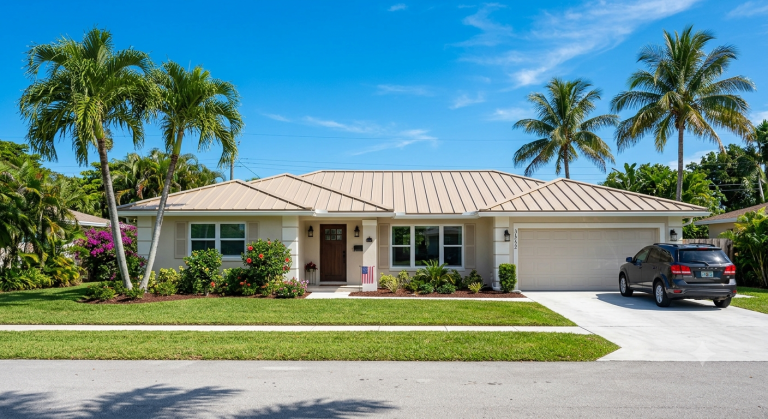
If you live in South Florida, you already know that hurricane season isn’t a matter of if — it’s a matter of when. Every year, homeowners from Miami-Dade to Palm Beach County watch the tropics with a little extra anxiety, and for good reason. Your roof is your home’s first line of defense against tropical storms, torrential rain, and hurricane-force winds. Waiting until a storm is barreling toward the coast to think about roof replacement is a gamble most homeowners can’t afford to take.
The good news? Most roofs give you warning signs long before they fail. Knowing what to look for — and acting early — can mean the difference between riding out a storm with confidence and dealing with a costly emergency repair (or worse, significant interior damage) in the middle of hurricane season.
Below, we break down the 10 most common signs that it’s time for a roof replacement, why South Florida’s climate makes early action especially important, and what to do next.
Why Roof Condition Matters So Much in South Florida?
South Florida roofs work harder than roofs almost anywhere else in the country. Between intense UV exposure, high humidity, salt air along the coast, and the very real threat of tropical storms and hurricanes, your roofing system is under constant stress.
A compromised roof doesn’t just risk a leak during a rainstorm — in a hurricane, it can lead to catastrophic wind and water damage throughout your entire home. That’s why proactive roof inspections and replacements before the season ramps up are so important for homeowners across the region. According to the National Oceanic and Atmospheric Administration (NOAA), the Atlantic hurricane season officially runs from June 1 through November 30, giving homeowners a limited window to prepare their homes each year.
1. Your Roof Is Older Than 20 Years
Most asphalt shingle roofs in Florida are designed to last between 15 and 25 years, depending on material quality and maintenance. If your roof is approaching or has passed the two-decade mark, it’s likely losing the structural integrity needed to withstand hurricane-force winds, even if it looks fine from the ground.
What to Check
Pull up your home’s permit history or ask your roofing contractor to estimate your roof’s age during an inspection.
2. Missing, Cracked, or Curling Shingles
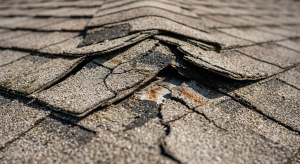
A few missing shingles might not seem like a big deal, but they expose the underlayment and decking to water intrusion. Curling or cracked shingles are a sign that the materials are drying out and losing their protective seal — a serious vulnerability once high winds arrive.
3. Granules Collecting in Gutters
Asphalt shingles are coated with granules that protect against UV rays and impact. If you’re finding a buildup of these granules in your gutters or at the base of downspouts, your shingles are deteriorating faster than they should be.
4. Visible Sagging Rooflines
A sagging roof deck is one of the more serious warning signs, often pointing to structural issues like water-damaged decking or compromised trusses. This isn’t a cosmetic problem — it’s a safety issue that should be addressed immediately, well before storm season.
5. Water Stains on Ceilings or Walls
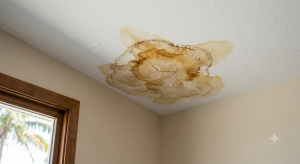
Brown or yellow water stains inside your home are a clear sign that water is finding its way through your roofing system. Even small, slow leaks can indicate a much larger problem hiding beneath the surface, and they tend to get dramatically worse during heavy hurricane rainfall.
6. Daylight Through the Roof Boards
If you can see daylight coming through your attic or roof boards, your roof no longer has an intact barrier against wind-driven rain. This is one of the more urgent signs on this list and should be inspected right away.
7. Increased Energy Bills
A roof that’s losing its integrity often loses its insulating properties too. If your cooling costs have crept up without an obvious explanation, gaps or damage in your roofing system could be letting hot South Florida air seep into your attic.
8. Storm Damage From a Previous Season
If your roof took a hit during last year’s storms — even if it wasn’t bad enough to require emergency repairs — cumulative damage can weaken the system over time. Small dents, lifted flashing, or minor shingle damage from a previous storm can turn into major failures during the next one.
9. Moss, Algae, or Mold Growth
South Florida’s humidity makes roofs a prime target for algae and moss growth. Beyond the cosmetic issue, this growth can trap moisture against roofing materials, accelerating decay and weakening the roof’s ability to shed water during heavy rain.
10. Your Roof Doesn’t Meet Current Wind Codes
Florida’s building codes have evolved significantly since Hurricane Andrew, and older roofs may not meet today’s wind-resistance standards. The Insurance Institute for Business & Home Safety (IBHS) has published extensive research on how stronger roof-to-wall connections and wind-rated materials reduce hurricane damage to homes. If your roof predates these updated codes, a replacement can bring your home up to modern safety standards — and may even lower your insurance premiums.
What to Do If You Notice These Signs?
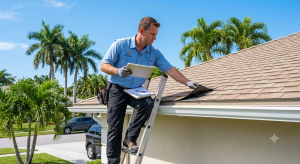
If any of these red flags sound familiar, don’t wait for the first named storm of the season to take action. A professional roof inspection can confirm whether your roof needs a full replacement, a targeted repair, or simply some preventative maintenance.
At TEG Roofing, we specialize in roof replacement services built specifically for South Florida’s climate — from wind-rated shingles to durable tile roofing systems designed to hold up against tropical storms and hurricanes. We also offer emergency roof repair services for homeowners who need a faster solution before the season begins.
Timing Your Roof Replacement Before Hurricane Season
Roofing contractors across South Florida see a surge in requests every May and June, right before hurricane season officially begins. That surge means longer wait times, tighter material availability, and more pressure on scheduling. Homeowners who start the process earlier in the year — ideally by late winter or early spring — have more flexibility, more time to compare materials, and more peace of mind heading into June.
For general hurricane preparedness guidance beyond roofing, Ready.gov’s hurricane preparedness page offers a helpful checklist for securing the rest of your home and property.
Don't Wait for the First Storm Warning
Your roof is one of the most important investments in your home’s safety, and South Florida’s climate doesn’t leave much room for error. If you’ve noticed even one or two of the signs above, it’s worth getting a professional opinion sooner rather than later. A roof replacement isn’t just about avoiding leaks — it’s about protecting your family, your belongings, and your home’s structural integrity when the next big storm makes landfall.
Ready to Protect Your Home Before Hurricane Season?
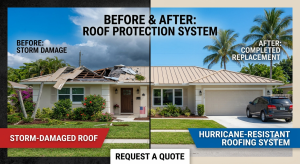
Don’t leave your roof’s condition to chance this year. The team at TEG Roofing has helped homeowners throughout South Florida prepare for hurricane season with durable, code-compliant roof replacements and honest, straightforward inspections.
Request your free roof replacement quote today and get ahead of the storm season with a roof you can trust.